Introduction
As children grow, their development is influenced by a variety of factors, including their environment, education, and interactions with others. Indoor games myboss88 are often seen as simple forms of entertainment, but their impact on child development extends far beyond just fun. These games play a crucial role in nurturing essential physical, cognitive, emotional, and social skills in children.
In this article, we will explore how different types of indoor games can contribute to a child’s overall development. Whether through building creativity, promoting critical thinking, or encouraging teamwork, indoor games provide children with valuable experiences that help them grow and develop into well-rounded individuals.
- Cognitive Development: Enhancing Problem-Solving Skills
Indoor games often require children to use their brains to solve problems, complete tasks, or achieve specific goals. Games that involve puzzles, strategy, or memory challenges can stimulate cognitive development by encouraging critical thinking, attention to detail, and problem-solving abilities.
How It Helps Child Development:
Cognitive skills are vital for children as they navigate their academic lives and later careers. By engaging in games that challenge their minds, children learn how to analyze situations, think strategically, and make decisions based on logical reasoning. These cognitive abilities form the foundation for success in school and life.
Examples:
Puzzle games: Jigsaw puzzles, Sudoku, or logic games help develop problem-solving skills, patience, and concentration.
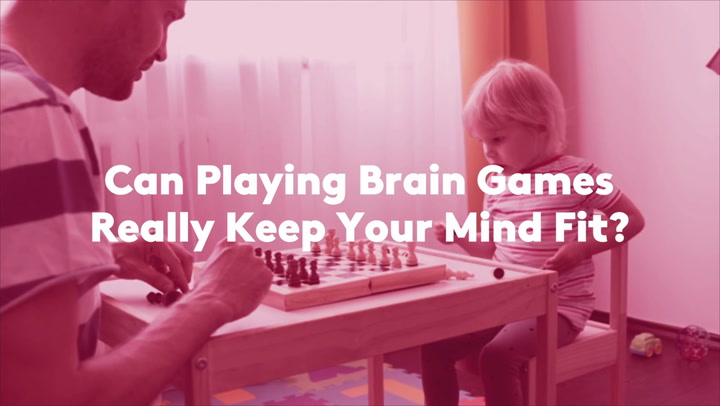
Strategy games: Board games like Chess or Checkers foster critical thinking by requiring children to plan ahead and anticipate their opponent’s moves.
- Emotional Development: Building Emotional Intelligence
Indoor games offer children the chance to experience a range of emotions, from joy and excitement to frustration and disappointment. These games can play a significant role in developing emotional intelligence (EQ), which helps children manage their emotions and understand the emotions of others.
How It Helps Child Development:
By participating in indoor games, children learn how to cope with success and failure in a supportive environment. Games that involve competition teach children how to manage their emotions when they win or lose. Additionally, collaborative games allow children to experience empathy, share responsibilities, and develop social skills.
Examples:
Board games like Monopoly: Children experience a variety of emotions, from excitement when they land on a good property to frustration when things don’t go their way. These situations help teach them resilience and emotional control.
Cooperative games: Games like Pandemic or Forbidden Island require collaboration, teaching children how to share and communicate their feelings with others.
- Social Development: Improving Communication Skills
Indoor games, especially those played with multiple participants, provide children with opportunities to improve their social interactions. These games encourage communication, teamwork, and socialization, which are essential for building positive relationships with peers and adults.
How It Helps Child Development:
Social skills are crucial for children to succeed in both academic and personal settings. By engaging in indoor games, children practice sharing, taking turns, and negotiating with others. These interactions help them understand how to work as part of a team, resolve conflicts, and communicate effectively.
Examples:
Charades: This game promotes teamwork, active listening, and verbal and non-verbal communication. It also teaches children to express themselves clearly and interpret others’ actions.
Board games: Games like Scrabble or Clue require communication, patience, and respect for others’ turns, helping children develop important social skills.
- Physical Development: Enhancing Motor Skills
Although most people associate physical development with outdoor activities, indoor games can also contribute to children’s physical growth. Many games require hand-eye coordination, fine motor skills, and physical movement, all of which are important aspects of a child’s physical development.
How It Helps Child Development:
Indoor games that involve building, drawing, or physical activity help develop both gross and fine motor skills. These skills are important for everyday tasks, such as writing, buttoning clothes, or participating in sports.
Examples:
Building games: Toys like LEGO or construction sets require fine motor skills and spatial awareness to put pieces together, helping children improve their dexterity.
Active indoor games: Games like Twister or Simon Says promote physical movement and coordination, helping children develop balance and flexibility.
- Creativity and Imagination: Fostering Creative Thinking
Indoor games can be a great way for children to express their creativity and imagination. Whether they are drawing, storytelling, or building something from scratch, these games allow children to explore their creativity in a safe and supportive environment.
How It Helps Child Development:
Creative play is essential for the development of problem-solving abilities, emotional expression, and abstract thinking. Indoor games that encourage imagination help children build their own worlds, roles, and scenarios, which enhances their cognitive flexibility and creativity.
Examples:
Storytelling games: Games like Once Upon a Time or Story Cubes encourage children to use their imagination to create stories and characters, fostering creative thinking and verbal expression.
Art-based games: Drawing games or crafting activities give children the opportunity to express their creativity through art, improving their fine motor skills and artistic abilities.
- Academic Development: Enhancing Literacy and Numeracy Skills
Certain indoor games can help children improve their literacy and numeracy skills in a fun, engaging way. These games make learning enjoyable and allow children to develop these fundamental skills without the pressure of formal education.
How It Helps Child Development:
Educational indoor games can enhance children’s reading, writing, and math skills. By incorporating learning elements into games, children are more likely to stay engaged and retain information. These games also help children understand abstract concepts like numbers, letters, shapes, and patterns.
Examples:
Word games: Games like Scrabble or Boggle help children improve their vocabulary, spelling, and word recognition.
Number-based games: Games like Uno or Math Bingo encourage children to practice math skills such as addition, subtraction, and number recognition.
- Enhancing Focus and Concentration
Indoor games often require children to focus for extended periods, whether they are solving puzzles, following rules, or strategizing with teammates. This focus is crucial for academic success and personal growth.
How It Helps Child Development:
Playing indoor games that require concentration helps children practice staying focused on a task, even when distractions arise. This skill is essential for completing schoolwork, managing responsibilities, and engaging in activities that require sustained attention.
Examples:
Jigsaw puzzles: These require sustained attention to detail, helping children practice focus and patience.
Board games: Strategy games like Risk or Catan require long periods of focus and planning, which can help improve attention span and problem-solving abilities.
- Conflict Resolution: Teaching Children How to Solve Problems
Indoor games often involve competition or challenges, which can lead to disagreements or conflicts. These moments present an opportunity for children to learn how to resolve problems and work through differences in a healthy, constructive way.
How It Helps Child Development:
By playing games, children learn how to manage frustration, handle disputes, and work with others to find solutions. These conflict-resolution skills are important for personal and social development, helping children navigate interpersonal challenges with confidence and maturity.
Examples:
Competitive games: Games like Monopoly or Connect 4 teach children to handle both winning and losing with grace.
Cooperative games: Working together in games like Pandemic or Forbidden Island teaches children to collaborate and find solutions as a team.
Conclusion
Indoor games offer far more than just entertainment for children—they are powerful tools that foster cognitive, emotional, social, and physical development. By engaging in a variety of indoor games, children can build valuable skills that contribute to their overall growth and well-being. From developing problem-solving abilities to enhancing creativity, these games provide children with opportunities to learn and grow in a fun, supportive environment.
As parents and caregivers, it’s important to encourage children to participate in different types of indoor games. Whether it’s a game of chess to stimulate the mind or a cooperative game to foster teamwork, these activities help children develop the skills they need to navigate the challenges of life. So, the next time you’re looking for a way to entertain and educate your child, consider the power of indoor games for their development.
 Site Title